Home Blog Page 128

“Help us loosen the grip of crime gangs across the North West” appeals Crimestoppers

0

Independent charity Crimestoppers has today launched a major campaign across the North West to encourage reporting on criminal gangs.

The campaign features a social media advert using a snake to illustrate how criminal gangs slowly increase their grip on communities until all that is left is fear and a feeling of helplessness.

Gary Murray, North West regional manager at Crimestoppers, said: “Criminals do not care who they exploit or the violence and damage they bring to our communities. They destroy lives whilst pursuing vast profits. Gang members are known in the areas they operate but there is often a reluctance of those who live nearby to report on their illegal and harmful activities.

“The same gang may not only be involved in the sale of illegal drugs and cannabis cultivation, but can be also responsible for exploitation of young people and the vulnerable through County Lines, modern slavery, sexual exploitation, illegal immigration, the importation and use of guns, illegal money lending and money laundering.

“The key to making the North West a safer place to live and work is to pass on information completely anonymously to Crimestoppers so that law enforcement can act. With Crimestoppers, there’s no police, no courts, no witness statements.”

The charity has put together some questions to prompt the public and hopefully encourage them to report what they see or hear:

  • What are the names of those members of serious crime gangs in the area?
  • Who runs the local drugs trade?
  • Which premises are used for criminal activity and drug dealing?
  • Who is bringing weapons into your area and where they are being stored?
  • How do these gangs recruit those who they are exploiting?
  • Have you information on those who have committed violent crime in your area?

Gary added: “Help us loosen the grip of criminal gangs across the North West. Only by individuals taking the brave step of reporting anonymously what is going on in their areas to our charity will we see a cut in the pain and suffering that our communities face.

“The information you and others come forward with may help save lives and make your area safer for you and your family. The one thing that these gangs fear most is that people will say enough is enough and pass on vital information of their harmful and sometimes fatal activity.

“Over the last six months from the North West and North Wales we have received over 20,000 pieces of `actionable’ or high-quality information. This has led to a significant number of arrests, millions of pounds of drugs seized and weapons being taken off our streets. We would like to thank all those who have contacted our charity. We will never know who they are because of anonymity, but they have made the North West safer for everyone and made a real difference.”

To speak up 100% anonymously, visit the charity’s website Crimestoppers-uk.org and fill in the secure anonymous online form or call the 24/7 UK Contact Centre on 0800 555 111.

Computer IP addresses are never traced, and no-one will ever know you contacted Crimestoppers.

Work starts on Manchester’s newest (and smallest) public square

Capital&Centric have started working on the small yet perfectly formed public square that will link their owner occupier community Crusader with new workspaces at Neptune Mill in Piccadilly East.

Images reveal how the social impact developers are taking on the outdoor space outside their restoration of the Grade II listed Neptune Mill.

The square, which has been closed off to the public for decades, will give off industrial vibes alongside green planting, reminiscent of the developer’s award-winning Kampus garden neighbourhood.

The Piccadilly East community will soon be able to enjoy this green oasis, which sits underneath a sky bridge linking Crusader to Neptune Mill – the only one of its kind in the city.

Tom Wilmot, joint managing director at Capital&Centric, said: “Outside space is mega important to every community we create so we’ll take any opportunity to squeeze a garden in. It might be small but it’s definitely mighty.

“Manchester’s still crying out for green space so we’re loading it with tons of lush planting and big trees. It’ll be the perfect spot for residents of our new Neptune Mill workspace to hang out during lunch or catch some post work rays in the summer, but it’s open to the public so anyone can enjoy it.”

Neptune Mill is part of the developer’s wider mission to drive forward the Piccadilly East neighbourhood, previously named as one of the UK’s up and coming hotspots by the Sunday Times. It follows their award-winning restoration of a neighbouring Victorian mill, Crusader, as well as Phoenix, a character-filled new build apartment block in the city centre.

The square is the latest part of Piccadilly East that the developers have opened up after reopening Fletcher Street between Crusader and Phoenix, creating new links through the city.


Managing financial risks: Techniques for protecting assets and managing risks

As is evident, in the constantly evolving and developing sphere of finance, long-term stability
and preservation of assets depend on proper risk management.

Many factors threaten your financial health, such as shifts in the market, recession, problems in managing your business, and other unforeseeable events.

These risk controls use both proactive activities and reactive measures to protect assets and minimise potential losses.

This article explores key considerations in risk management coupled with practical advice
on how one or any business can implement the strategies to enhance the financial security of any entity.

Understanding financial risks

To learn of the financial risks among individuals and businesses as far as risk management is
concerned before constructing the risk management techniques.

Financial risks can be grouped into several major categories: market risk, credit risk, liquidity risk, operational risk, and legal risks. Market risk is associated with fluctuations in the prices of assets due to changes in market forces.

The likelihood of a debtor not being able to meet their obligation is called credit risk. Liquidity
risk is the inability to convert assets into cash quickly and at a decent profit. Legal risk is usually about the legal consequences and issues regarding regulations, while operational risk is the breakdown of internal controls, structures, or people.

Risk identification and assessment

The first stage in managing financial risks is finding and evaluating any risks that could
influence assets and financial stability. Finding risks entails methodically assessing external and internal variables that can endanger one’s financial stability.

Performing risk assessments, reviewing previous data, and taking industry-specific issues into account are frequent steps in this process. After identifying hazards, evaluating their likelihood and potential impact is critical.

This assessment enables more targeted risk management initiatives by prioritising risks
according to their likelihood and severity.

Diversification

Diversification is the most effective way of avoiding certain financial risks. It involves
investment allocation across various categories of securities, industries, and geographical regions to minimise risk exposure to a particular kind of risk.

Through diversification, an individual or an organisation may be able to bring down the negative effects of events that affect a specific component of the portfolio. For example, if one industry or market is in decline, it becomes unlikely that one’s collection of stock, bonds, real estate, and overseas properties will be significantly affected.

Hence, risk reduction and return optimisation are made possible by achieving the right balance through diversification.

Risk monitoring and adjustment

Sustaining an effective risk management program necessitates constant observation and
modification. After risk management plans are put into place, it’s critical to periodically assess and revise them to account for modifications to the financial landscape, market dynamics, and corporate objectives.

Key risk indicators are monitored, performance metrics are examined, and the efficacy of current risk management strategies is evaluated. Frequent modifications guarantee
that risk management tactics stay applicable and efficient in handling new hazards and changing financial situations.

Wealth management involves strategically overseeing and growing one’s financial resources to achieve long-term financial goals and ensure security. In today’s digital age, tools like
Prillionaires personal finance software offer invaluable support for individuals seeking to
optimise their wealth.

Personal finance software provides users with comprehensive financial planning, investment tracking, and risk management features, allowing for more informed decision-making and efficient management of assets.

Final thoughts

Achieving long-term stability and prosperity requires competent financial management. People and organisations can confidently handle financial risks and protect their assets by implementing various tactics and cutting-edge tools.

Sustaining financial stability and guaranteeing future expansion heavily depends on one’s capacity for proactive risk management and well-informed decision-making. Securing a bright future will always require adopting creative ideas and upholding a disciplined attitude, even as the financial landscape changes.

Sixty roads repaired as summer road repair scheme completes

Almost 60 roads have been treated across all five townships as part of the annual summer micro asphalt programme, which improves the condition of the road and gives it a longer lifespan.

The works in Rochdale, form part of a wider £4 million investment into the borough’s highways network this year, which includes the resurfacing of a large section of Bury Road alongside the installation of a new crossing point at the junction of Bury Road, Roch Valley Way and Sandy Lane.

Major improvements to Michael Faraday Avenue in Kingsway are under way, alongside improvements to the drainage in Overtown Lane in Norden.

In addition, road resurfacing is taking place in Norman Road and Albion Street in Rochdale North, with traffic calming being implemented in Ashworth Street.

Over in Middleton, pavement reconstruction is taking place in Broughton Close and Windermere Road. In Rochdale South, new one ways are being installed in Milkstone and Deeplish.

Other major projects include the redevelopment of the Reed Hill car park and the introduction of new pedestrian and cycle  crossings on St Mary’s Gate in Rochdale town centre, which is currently on site.

Councillor Shah Wazir said: “I’m pleased that we’re heading into winter with smoother, safer roads following the completion of the summer micro asphalt programme. Although micro asphalt is undertaken in the summer as it requires warmer temperatures, we undertake different types of road treatments throughout the year, so our work doesn’t stop.

“We have some really big schemes on the ground right now, including full resurfacing projects and the work on Queen’s Park Bridge, and I know the end results will be really impressive.”

England lose series after losing toss in Barbados

England captain Liam Livingstone was left to rue losing the toss as his side slumped to a fifth successive series loss in the Caribbean as the West Indies cruised to an eight-wicket win to take the one-day series.

After Livingstone called incorrectly in Barbados, England stumbled to 24 for four.

They recovered to post 263 for eight but batting conditions had eased significantly when the reply began under lights, as Brandon King and Keacy Carty made centuries to get the Windies home with seven overs to spare.

As the hosts celebrated a 2-1 win, stand-in England captain Livingstone pointed out that the team that won the toss won the match on each occasion.

“The conditions weren’t very favourable to the team bowling second,” he said. “It’s no excuse, we didn’t get enough runs but ultimately if we’d have got 350, I don’t think it would have mattered.

“The pitch went from being so slow to start with to being absolutely drenched at the end. Both balls were soaking, we changed it halfway through and that was soaking within an over as well.

“I’ve played a lot of cricket in the world and I don’t think I’ve ever played in a game where conditions have changed so much from one innings to the next.

“There’s no surprise that the team who the toss twice in the series won. This time of year out here, it’s pretty difficult to bat first and defend a score.”

England lost both white-ball series last year, and this was a 13th reverse in 20 ODIs for a side that have given youth and inexperience a chance on this visit.

“We’re disappointed,” Livingstone said. “We’ve got a lot of young boys on this trip who have hopefully learnt a lot about playing international cricket. Hopefully, that will stand us in good stead.

“I feel like we’ve taken another step forward in the way we want to play our cricket and we’ve got a lot of people to come back into this squad moving forward.”

Istanbul Carpet & Flooring Expo 2025 Draws European Buyers

0

From 7-10 January, the Carpet and Flooring Expo 2025 will welcome European buyers to Istanbul Expo Centre, showcasing new carpet and flooring trends and encouraging global collaborations with three additional halls to expand the event.

As preparations move forward for the Carpet and Flooring Expo 2025 (CFE), set for January at Istanbul Expo Centre, organisers are ramping up marketing efforts and exhibitor sign-ups. Following the successful launch in December 2023, CFE returns with 120,000 square metres of exhibition space, accommodating more visitors and exhibitors.

The 2025 edition, building on interest from over 21,000 visitors from 103 countries, will add three new halls. Co-organised by Tüyap Exhibitions Group, Istanbul Carpet Exporters Association, and Southeastern Anatolia Carpet Exporters Association, CFE 2025 will host buyers and professionals from Europe, the Middle East, Africa, and the US.

Spotlighting Innovations in Carpets

CFE 2025 will feature a broad selection of carpets, rugs, and flooring products, from handcrafted to machine-made varieties, plus textile coverings and accessories. Attendees can join sessions on market trends and future advancements.

“As one of the fastest-growing exhibitions in the sector, CFE 2025 will offer a dynamic platform for global carpet and flooring professionals to connect, exchange ideas, and explore business opportunities. The fair’s continued expansion reflects the industry’s strong demand and Türkiye’s leading role in the global market,” said Ilhan Ersozlu, General Manager of Tüyap Fairs Production Inc.

Expanding Market Links Across Regions

The expo supports Anatolian businesses in accessing new markets, showcasing branded products that strengthen business ties. With Türkiye’s carpet exports surpassing US$ 2.8 billion, organisers expect further growth through global connections.

For more information on participation, visit http://www.icfexpo.com.

Common UK Solar Myths Blocking Net-Zero Progress

0

New data reveals that 62% of Britons feel under-informed about renewable energy options, with many solar myths persisting.

Recent research finds that two-thirds of Britons would be more inclined to switch to renewable energy if the process was more clearly explained. One-third mistakenly believe that the UK’s often-cloudy weather hinders solar panel effectiveness, even though evidence shows otherwise. Findings from Solar Together, an expert in energy transition, highlight that two-thirds of Britons agree the public is not well-informed about renewable solutions, with an equal percentage stating they would switch to renewables if information were more accessible.

In response, Solar Together has debunked five common solar energy myths prevalent in the UK to aid those considering renewables:

  • Nearly half believe it takes over 15 years to recoup the investment in solar panels, while the actual timeframe is between 6 and 10 years.
  • One third think the UK’s cloud cover prevents solar panels from working effectively.
  • Another third say solar panels aren’t useful in typical British winters.
  • A third think installing solar panels is overly complicated.
  • One in five doubt that solar panels reduce energy bills, even though the average annual saving can be as high as £500 per household.

With clocks recently adjusted for winter, more than one quarter (26%) say they become more aware of energy use during colder, darker months, and 22% report heightened environmental awareness. While UK winters may be colder than in other countries, solar panels rely on sunlight rather than heat. Surprisingly, they often perform better in lower temperatures, with peak efficiency achieved between 1C and 20C. Although cloudy days mean less direct sunlight, solar panels still generate a considerable amount of power and don’t stop working. Batteries can also store surplus energy for later use.

This study suggests that many are unaware of these solar energy facts, indicating a need for greater clarity on renewable energy’s role, particularly during the winter. The findings show that 62% of Britons agree there is limited understanding of home renewable solutions. Nearly half believe government messaging on renewables is overly complicated (46%), suggesting simpler communication could improve adoption. Additionally, 44% say clear information is hard to find, yet two-thirds would consider renewables if better resources were available.

The study also found that renewable energy is rarely discussed in family settings (42%), with 35% saying it isn’t taught enough in schools. Another 36% say it is seldom featured on television, and a quarter point to celebrities’ silence on the topic (24%).

George Frost, UK Country Manager at iChoosr, the firm behind Solar Together’s solar group-buying initiatives, said, “This study highlights the urgent need for better education and clearer communication about renewable energy in the UK. By making information more accessible and addressing common misconceptions, we can encourage more people to adopt renewable energy solutions and contribute to the UK’s net-zero goals.”

“It’s clear that a large proportion of the public finds existing messaging around renewables too complicated or confusing. This suggests we all need to work hard to demystify the perceived complexity while spreading the benefits of renewable energy to all corners of the UK.”

Since 2015, iChoosr has worked with councils through Solar Together to drive renewable adoption nationwide. Solar Together has enabled over 42,500 installations, expected to cut 680,000 tonnes of carbon emissions over 25 years.

KYND Honoured in 2024 ESGFinTech100 for Cyber Risk Leadership

KYND Limited, a leader in cyber risk management, proudly announces its third consecutive inclusion in the 2024 ESGFinTech100, an elite list curated by FinTech Global to recognise top technology firms assisting financial services in overcoming complex ESG challenges. KYND’s consistent presence on this list reflects its commitment to supporting wealth managers, advisers, and clients in identifying and proactively addressing digital risks in a clear, efficient manner.

This year’s selection reaffirms KYND’s importance in addressing cyber risk—a crucial but often underestimated element of ESG. As cyber threats escalate in both volume and complexity, businesses increasingly recognise that robust cybersecurity measures are essential to sustainability, operational resilience, and stakeholder confidence. Within financial services, in particular, effective cyber risk management is now a fundamental part of meeting ESG commitments and safeguarding long-term value.

KYND’s unique technology offers an all-encompassing view of an organisation’s cyber vulnerabilities, highlighting major risks and prioritising mitigation steps. Unlike other tools that depend on vague scoring systems, KYND leverages proprietary data to present an accurate and transparent view of risk. Whether it’s during due diligence, ongoing portfolio oversight, or third-party evaluations, KYND empowers wealth managers and advisers to seamlessly integrate cyber risk management into their ESG frameworks.

Andy Thomas, CEO and Founder of KYND, commented: “We’re so delighted to be awarded with this honour by FinTech Global once more! Cyber risk is rapidly becoming one of the most financially material threats to modern businesses, but its importance in the ESG landscape is still not fully appreciated. At KYND, we’re passionate about helping companies bridge that gap, equipping them with the insights and tools they need to navigate today’s volatile cyber threat environment. Cyber risk management is not just a technical issue; it’s a core element of business resilience and ESG compliance. We will continue to innovate and deliver best-in-class solutions that support our partners in financial services to stay ahead of the curve and safeguard the value and stability of their organisations, as well as the wider cyber ecosystem.”

Richard Sachar, Director of FinTech Global, remarked: “ESG-focused frameworks like CSRD are becoming more common around the world. Financial institutions face mounting requirements for ESG reports and alignment to sustainability targets. The ESGFinTech100 serves as a crucial resource for senior management, helping them identify the leading ESG tech companies. The detailed company profiles offer insights into their solutions, the challenges they address, their operational regions, and more. This guide is essential for any organisation committed to achieving net-zero targets.”

Since last year’s inclusion in ESGFinTech100, KYND has focused on advancing solutions to reimagine cyber risk management within financial services. For more information on KYND’s solutions, visit here.

The role of art therapy in dementia care

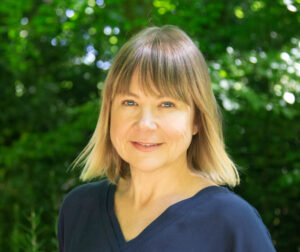
There are many types of therapy created specifically for people living with dementia. We spoke to Trudi Scrivener (pictured), who has more than 30 years’ experience in the care sector and is the founder of Ashridge Home Care, an award-winning specialist live-in care provider.

Trudi Scrivener

She is also a founder member of the not-for-profit partnership the Live-in Care Hub, a board member of The Princes Centre charity and an ambassador at the Heart of Bucks charity. As a Dementia Champion she seeks to raise awareness of how life can be improved for those living with dementia.

Art therapy

Art therapy is a powerful tool that can significantly enhance quality of life. This is because art therapy provides a different way to express emotions, connect and communicate with others when words may be hard to find.

Here, we take a brief look at what is involved in art therapy, and how it can benefit those living with dementia.

Essentially, art therapy is the use of creative activities to improve physical, cognitive and emotional well-being. It can involve activities such as music sculpting, drawing and dance, and can be a very effective form of therapy for those living with dementia. It can, in its simplest sense, help people express themselves in different ways.

Art therapy can be particularly beneficial for some of the rarer forms of dementia such as Primary Progressive Aphasia (PPA) or frontotemporal dementia (Pick’s disease) which particularly impair speech and language capabilities. These conditions often result in a total inability to speak, write and to understand the spoken or written word.

Professional art therapists are healthcare experts with knowledge of both art-making processes and psychotherapy so they have a unique combination of skills. They can accept whatever way a person with dementia chooses to express themselves and will respond to the created artworks with sensitivity and a visual literacy that can be especially beneficial for those who can no longer communicate verbally.

The benefits of art therapy for those living with dementia

There are plenty of benefits of using art therapy for those living with dementia. Some of these benefits include:
● Emotional expression – Art can be a non-verbal outlet for emotions that may be difficult to
convey such as fear, anger or joy.
● Cognitive stimulation – By stimulating different areas of the brain when being creative, this can improve problem-solving abilities as well as memory and attention span.
● Social connection – By attending a group art therapy session, this gives someone living with dementia an opportunity for social interaction. Many people living with dementia report feeling isolated and lonely. We know that loneliness has a negative impact on health, and so group activities can have a hugely positive impact on both physical and emotional well-being.
● Stress reduction – Creating art is a relaxing activity and can help reduce anxiety and agitation.
● Mood improvement – Art therapy can boost self-esteem, providing a positive outlook through a sense of accomplishment.

Research highlights the benefits of art therapies for those with dementia

These benefits are backed up by research into the enhancement of quality of life for those living with dementia. There are numerous good reasons to support art therapies for people living with dementia – and their carers – and there is no downside to trying art therapy. At the very least it helps with social interaction and belonging to a group or community.

It is also an enjoyable experience, whether the person is actually participating in creating artworks or even just as an audience member when others are creating art. That means people can gain some of the benefits even if physically incapable of making art.

Due to the multi-sensory nature of such a creative activity, and the ability to experience art in the moment, those with memory loss still experience the positive impact of the arts. Indeed, in some people it can revive old memories.

Carers can also benefit from taking the person they care for to art therapies, and enhance their own well-being too. This has a positive effect for both the carer and the cared for person.

What type of art therapy is suitable?

There are various types of art therapies that someone living with dementia could undertake depending on their individual circumstances and capabilities- options include:

● Visual arts – Sculpting, drawing, collage or painting are some of the most common types of art therapy.
● Music therapy – Creating or listening to music can be particularly emotionally impactful.
● Dance therapy – Gentle movements can help not only to improve balance and coordination, but can also improve mood.
● Drama therapy – Storytelling and role-playing can help those living with dementia to express their emotions when they cannot do so verbally.

Art therapy in practice

No matter what a person living with dementia finds interesting, there will be a type of art therapy that can be enjoyable for them. Whether this is structured activities to achieve a specific goal, or a simple exploration of different media, it can bring many benefits.

Myerson facilitates transition of Progression Solicitors to employee ownership

Myerson Solicitors – a top UK 200 law firm based in Altrincham – is pleased to announce the successful transition of its client, Progression Solicitors, to an Employee Ownership Trust (EOT).

Completed in October 2024, this marks the third EOT conversion in the legal sector that Myerson’s corporate team has facilitated in the last quarter.

Established in 2005 by managing director Anthony Smith and Pamela Horobin, Progression
Solicitors provides specialist services for a wide range of business and personal legal issues.

The firm operates five offices across the South Lakes and North Lancashire, with its head office in Ulverston and additional locations in Windermere, Grange-over-Sands, Barrow-in-Furness, and Lancaster.

The new EOT structure for Progression Solicitors includes Anthony Smith, John Parker
(Independent Trustee), and Michele Ashton (Employee Representative). This transition
enables the firm to maintain its existing management team, ensuring no changes to day-to-
day operations while fostering a culture of shared ownership among employees.

Anthony Smith said: “Becoming an employee-owned firm is a proud moment for all of us at Progression Solicitors. This change is a testament to our dedication to our team and allows us to continue providing exceptional legal services with the added benefit of empowering our employees.

“Knowing that our people have a genuine stake in the business strengthens our commitment to each other and enhances our focus on serving our clients and supporting our community.”

This transaction is the latest in a series of successful EOT deals facilitated by Myerson,
which has now supported three legal businesses in the past quarter.

Following its own transition to 100% employee ownership in September 2024, Myerson has established itself as a leader in guiding law firms through the employee ownership journey.

Employee Ownership Trusts (EOTs) were established under the Finance Act 2014 to
promote employee ownership as a viable business model in the UK. With approximately
2,000 employee-owned businesses now operating in the UK, this model reflects a significant
shift in business structure and management.

Recent changes made to Capital Gains Tax (CGT) in the Autumn Budget have made EOT ownership an even more attractive succession model for current business owners, providing that their business is suitable for employee ownership.

A. Terry Moore Partner in our Corporate Team and Head of Professional Services 1

Terry Moore (pictured above), partner in the Corporate Law Team at Myerson, said: “It is encouraging to see another law firm embrace employee ownership, and we are proud to play a part in this shift within the legal sector. The recent changes to CGT further enhance the appeal of EOTs, making it a compelling option for business owners looking for a sustainable succession plan.”