Home Blog Page 450

Navigating the Pitfalls of Monthly Subscriptions

0

While monthly subscription services offer convenience, cost savings, and access to exclusive offerings, they also carry the risk of wreaking havoc on your budget. Explore the potential downsides of monthly subscriptions and learn how to mitigate them.

In today’s world, monthly subscriptions have become ubiquitous, encompassing a vast array of offerings—from streaming services and meal kit deliveries to beauty boxes and curated book selections. With this abundance of options, it’s easy to lose track and inadvertently overspend.

Monthly subscriptions can indeed simplify your life, reduce expenses, and grant access to unique experiences. According to a 2023 survey by Vision Express, the average person in the UK is subscribed to approximately four services, amounting to nearly £500 annually. However, a striking 45% of respondents admitted to signing up primarily because of enticing trial offers, and of those, a staggering 63% forgot to cancel the subscription before the trial period ended.

Understanding Subscription Creep

“Subscription creep” is the term used to describe the gradual accumulation of subscriptions over time. It often begins innocently—a streaming service to catch a popular show, a gym membership to prepare for summer, or meal kit deliveries during busy periods. However, this seemingly innocuous process can quickly escalate, resulting in multiple subscriptions that strain your finances.

The allure of subscription services lies in their promises of exclusive content, new features, and enticing free trials that can tempt you into subscribing to more services than initially intended, thereby increasing your financial commitments.

The Risks of Monthly Subscriptions

While monthly subscriptions can enhance your life, they also carry several potential risks:

  1. High Cumulative Costs: Individually, subscription services may seem affordable, but when you accumulate multiple subscriptions, costs can quickly spiral. Your music subscription might cost just £10, but when combined with a £30 gym membership, a £20 book box, and a bi-monthly £20 food service, your monthly subscription bill can soar to £100 or more. This unpredictability can disrupt your budget, leading to financial stress. Even if you already have a monthly budget in place, you could quickly find that the cumulative cost of all your subscription gets out of control, especially when recurring charges come out of your bank account at different times of the month.
  2. Subscription Underuse: Subscribing to numerous services can lead to overwhelm and result in underutilisation. For instance, subscribing to multiple streaming services may grant access to more content than you can realistically consume. The same applies to underused gym memberships, beauty boxes, or delivery passes, diminishing the value you derive from these subscriptions.
  3. Guilt and Anxiety: Having numerous monthly subscriptions, especially those that go unused, can evoke feelings of guilt and anxiety. You may berate yourself for not maximising the value of your subscriptions and feel anxious about being locked into lengthy contracts, especially those that are challenging to cancel.
  4. Overconsumption: Subscriptions often involve receiving products, and this can lead to overconsumption. Monthly beauty boxes and curated product deliveries can result in accumulating items that you wouldn’t have purchased otherwise, contributing to clutter and environmental concerns.
  5. Brand Loyalty: Committing to one brand through subscriptions can limit your ability to explore alternatives and find better deals. This loyalty might restrict your spending options and prevent you from seeking more cost-effective choices.

Effective Budgeting with Monthly Subscriptions

To manage monthly subscriptions effectively:

  1. Conduct a Subscription Audit: Regularly assess your subscriptions to understand their total cost and usage. Prioritise essential subscriptions and those that genuinely enhance your life, while considering canceling those you don’t use or need.
  2. Set a Subscription Budget: Allocate a portion of your budget exclusively for subscriptions. This helps you track your total subscription costs and ensures they remain within manageable limits.
  3. Rotate Subscriptions: If you subscribe to similar services, such as streaming platforms, consider rotating them. Choose one platform each month or on a rotational basis to avoid subscription fatigue and maximise value.
  4. Set Reminders: Keep track of trial periods and renewal dates by setting reminders on your devices. This prevents unexpected charges and allows you to cancel subscriptions before they renew.
  5. Evaluate Before Committing: Before subscribing to a new service, calculate potential savings and weigh the value it offers. Consider short-term plans if you won’t use the service throughout the year and explore bundling options for cost savings.

By proactively managing your monthly subscriptions, you can enjoy their benefits while maintaining control over your budget and financial well-being.

Need to get better control over your monthly spending? Our team of experts is here to help. Give us a call on 0161 8260 585 or send a message here

The Link Between Alcoholism and Erectile Dysfunction

Alcoholism is a global health concern that has far-reaching consequences, including its association with various diseases. One such condition closely linked to excessive alcohol consumption is erectile dysfunction (ED). ED is defined as the consistent inability to achieve and maintain an erection sufficient for sexual intercourse. This article explores the connection between alcoholism and ED, the prevalence and stages of ED, the role of sildenafil-based drugs in its treatment, with a focus on Viagra and Kamagra (a popular generic), and offers insights into preventing ED through alcohol moderation and tips for addressing alcoholism.

Alcoholism as a Tolerated Epidemic Leading to Erectile Dysfunction

Alcoholism, also known as alcohol use disorder (AUD), is a chronic disease characterized by an inability to control alcohol consumption despite negative consequences. It is often referred to as a tolerated epidemic because its prevalence is alarmingly high worldwide. The World Health Organization (WHO) estimates that alcohol consumption is responsible for over 3 million deaths annually. Alcoholism is associated with various diseases, including liver cirrhosis, cardiovascular disease, and psychiatric disorders.

The Link Between Alcoholism and Erectile Dysfunction

ED is a well-documented consequence of chronic alcoholism. The relationship between alcohol and ED is multifaceted and involves both psychological and physiological factors. Alcohol impairs the central nervous system and can lead to increased anxiety, depression, and reduced sexual desire, all of which contribute to ED. Additionally, chronic alcohol abuse damages blood vessels and nerves, inhibiting the ability of the penis to fill with blood during sexual arousal.

Prevalence and Stages of Erectile Dysfunction

ED is a highly prevalent condition, affecting men of all ages, but its incidence increases with age. Understanding the prevalence and various stages of ED is crucial in addressing this issue comprehensively:

  1. Occasional ED: This stage is common and often considered a natural part of a man’s sexual life. Occasional difficulty achieving or maintaining an erection may occur due to various factors, including stress, anxiety, fatigue, or alcohol use. Men experiencing occasional ED typically regain their normal sexual function without medical intervention.
  2. Mild ED: As men age or if underlying health issues are present, mild ED may become more frequent. In this stage, erections are inconsistent and may not be as firm as desired. While sexual performance may be impacted, many men with mild ED can still engage in sexual activity satisfactorily.
  3. Moderate ED: At this stage, men face regular difficulty achieving and maintaining a firm erection. The impact on sexual satisfaction becomes more noticeable, causing distress and anxiety. It often necessitates medical intervention, such as PDE5 inhibitors like Viagra or lifestyle modifications.
  4. Severe ED: In cases of severe ED, men experience a consistent inability to attain or sustain an erection adequate for sexual intercourse. This stage can be emotionally distressing and damaging to self-esteem. Severe ED often requires more intensive treatment options, including higher doses of medications, vacuum erection devices, or even surgical interventions like penile implants.

It’s important to note that the progression of ED can be influenced by a wide range of factors, including overall health, lifestyle choices, and psychological well-being. Additionally, ED can be a warning sign of underlying health conditions such as diabetes, heart disease, or hypertension, making it essential to seek medical attention for a comprehensive evaluation and diagnosis.

Moreover, the impact of ED goes beyond physical limitations; it can strain relationships, cause emotional distress, and lead to a reduced quality of life. Recognizing the stages of ED and addressing them promptly with the appropriate medical guidance can help individuals regain their sexual health and overall well-being. Early intervention and lifestyle modifications can often mitigate the severity of ED and improve one’s sexual satisfaction and overall quality of life.

The Role of Sildenafil-Based Drugs in ED Treatment

Sildenafil-based drugs, such as Viagra and its generic counterpart Kamagra, have revolutionized the treatment of ED. These drugs belong to a class known as phosphodiesterase type 5 (PDE5) inhibitors and work by increasing blood flow to the penis, facilitating erections when sexually aroused.

Viagra vs. Kamagra

Viagra, the pioneering PDE5 inhibitor, was introduced by Pfizer in 1998. It rapidly gained worldwide recognition for its effectiveness in treating ED. However, Viagra’s patent expired, leading to the development of generic versions like Kamagra.

Kamagra is a widely-used generic alternative to Viagra, known for its affordability and accessibility. It contains the same active ingredient, sildenafil citrate, and produces similar results in treating ED. Kamagra is available in various forms, including tablets, chewable tablets, and Kamagra Oral Jelly, a popular and user-friendly alternative.

The Boom of Viagra Generics

After Viagra’s patent expiration, numerous pharmaceutical companies began producing generic versions, making ED treatment more accessible and affordable. This led to a boom in Viagra generics, giving consumers more options to choose from.

Different Forms and Strengths of Kamagra

Kamagra comes in various forms and strengths to cater to individual preferences and needs. Some common forms include Kamagra tablets, Kamagra Chewable tablets, and Kamagra Oral Jelly. The strengths typically range from 25mg to 100mg, allowing users to select the appropriate dosage under medical guidance.

Moderating Alcohol Consumption to Prevent ED

Preventing ED associated with alcoholism involves more than just cutting back on drinking. It requires a multifaceted approach that addresses both the physical and psychological aspects of alcohol addiction. Here are some extended tips for achieving alcohol moderation and preventing alcohol-related ED:

  1. Seek Professional Help: The journey towards moderating alcohol consumption or quitting altogether is challenging and often requires professional guidance. Consult a healthcare provider or addiction specialist who can assess your situation and recommend appropriate treatment options. They may suggest therapies like cognitive-behavioral therapy (CBT) or medications such as acamprosate or naltrexone to aid in alcohol addiction management.
  2. Support Groups: Joining support groups like Alcoholics Anonymous (AA) can provide a strong network of individuals who understand the struggles of alcoholism. Sharing experiences and receiving support from peers can be immensely helpful in maintaining sobriety and preventing relapse.
  3. Lifestyle Changes: Adopting a healthier lifestyle can reduce cravings for alcohol and promote overall well-being. Regular exercise not only distracts from alcohol cravings but also releases endorphins, which improve mood and reduce stress. A balanced diet rich in nutrients can support physical and mental health.
  4. Mindfulness and Stress Reduction: Many individuals turn to alcohol as a coping mechanism for stress or emotional challenges. Learning mindfulness techniques, such as meditation or yoga, can help manage stress in healthier ways, reducing the need to self-medicate with alcohol.
  5. Identify Triggers: Recognize the situations, emotions, or social contexts that trigger your alcohol consumption. By identifying these triggers, you can develop strategies to avoid or cope with them without resorting to drinking.
  6. Set Realistic Goals: Establish clear, achievable goals for alcohol moderation or sobriety. Breaking down the process into smaller, manageable steps can make it less overwhelming and more attainable.
  7. Social Support: Share your intentions with close friends and family who can provide encouragement and accountability. Surrounding yourself with a supportive social network can be a powerful motivator in your journey toward moderation.
  8. Professional Counseling: Consider individual or group counseling to address the psychological aspects of alcohol addiction. Therapists can help you explore the underlying causes of alcoholism and develop coping strategies to maintain sobriety.
  9. Regular Check-Ins: Continually monitor your progress and seek regular check-ins with healthcare professionals or addiction specialists. These check-ins can help you adjust your treatment plan as needed and ensure you’re on the right path.
  10. Medication-Assisted Treatment: In some cases, healthcare providers may recommend medications that reduce alcohol cravings or withdrawal symptoms. These medications can be valuable tools in the process of moderation or sobriety.

Remember that the path to moderating alcohol consumption or achieving sobriety is unique for each individual. It’s essential to be patient with yourself and not get discouraged by setbacks. Seek help when needed, and stay focused on the long-term benefits of alcohol moderation, including the potential improvement in sexual health and the prevention of conditions like ED. Ultimately, achieving a healthier relationship with alcohol can lead to a better quality of life and overall well-being.

Conclusion: Alcoholism is a tolerated epidemic that can lead to various diseases, including erectile dysfunction. Understanding the link between alcohol and ED is essential for promoting healthier lifestyles. Sildenafil-based drugs like Viagra and Kamagra play an indispensable role in ED treatment, offering effective solutions to men affected by this condition. With the availability of generics and different formulations, ED treatment has become more accessible. Moderating alcohol consumption and seeking support are vital steps in preventing alcohol-related ED and addressing alcoholism, ultimately leading to improved overall health and well-being.

How The Royal Ballet School Supports Dance Teachers With Continuous Professional Development

0

“Every teacher needs to improve, not because they are not good enough, but because they can be even better.” — Dylan William: Standards for Professional Development

The Royal Ballet School’s Affiliate Training and Assessment Programme not only offers high-quality teacher training to dance teachers around the world but also helps these teachers develop their creative and professional skills by encouraging them to devise their own content and conduct their own assessments. They also benefit from the programme’s moderation process and ongoing support, which enable teachers to ensure high standards throughout their practices.

Those who become Affiliate Teachers of the School receive continuous professional development (CPD) training to hone and develop their skills so they can maintain high standards of teaching across ballet. Here, we’ll explore how The Royal Ballet School supports dance teachers with continuous professional development through the new Affiliate Training and Assessment Programme.

What the Programme Involves

The Royal Ballet School’s Affiliate Programme offers a training and assessment system for selected teachers to deliver courses aimed at students aged 5 to 18, or Levels 1-6, within their own dance schools. The programme is suitable for ballet teachers with a minimum of three years’ experience or graduates of The Royal Ballet School teacher training programmes.

The Affiliate Programme allows for a flexible delivery structure, giving teachers the opportunity to create unique progressive learning pathways for their students. Empowering teachers to guide and assess their own students’ learning allows pupils to develop their knowledge and ability in ballet more broadly than by learning a set syllabus. This approach also favours teachers who value innovation, versatility, and diversity, and who prioritise the need for a holistic approach to dance training for young people. The ensuing culture is one of rewarding dance teachers who pursue and continue to deliver high-level training throughout their professional lives.

Learn more about the Affiliate Training and Assessment Programme.

Gaining Affiliate Status

Successful candidates selected for the Affiliate Programme participate in an initial mandatory training programme in July before the upcoming academic year. Candidates begin their training with an introductory webinar that provides practical and operational information. A five-day intensive training course on-site in London follows, delivered by The Royal Ballet School’s staff and visiting expert lecturers. The course provides teachers with training in the programme’s content, pedagogical knowledge, and information and support to help them implement the programme within their own schools.

Once they have completed the programme, candidates achieve Provisional Affiliate status. From September to December, Provisional Affiliate Teachers implement the training programme in their schools and, after the first term, submit a video of a sample lesson, which moderators at The Royal Ballet School assess. Successful candidates achieve Affiliate status and continue with the delivery of the programme into the rest of the academic year. Those who do not attain the required standard must take further training before they can repeat the assessment process with a provisional status.

Following the awarding of Affiliate status, teachers must complete the equivalent of a further five days of training online between February and June. Those who wish to deliver Levels 4-6 and the Enhancement Programme can then take further training for these levels. Graduates of The Royal Ballet School teacher training courses who successfully complete the initial training are automatically awarded Affiliate status.

Learn more about the Affiliate Teacher process.

Knowledge and Tools for Teachers

Through the programme, teachers gain knowledge on teaching Levels 1-3 and information on both technical and creative approaches to teaching ballet. The programme offers a holistic approach to the teaching of dance and covers the following subjects: learning outcomes, teaching and learning strategies, student assessment procedures, reflection and evaluation techniques, and The Royal Ballet School Model for Optimal Dance Training. The programme also covers movement and classical vocabulary (including enchaînement construction); choreography and improvisation; healthy dancer, body conditioning, and mindset; and repertoire study.

Mindful of giving teachers the knowledge on how best to promote their Affiliate status, the in-person portion of the programme includes a session delivered by the School’s marketing team. This session explains how to create marketing materials and use digital media, including social media. Teachers also receive a marketing toolkit with:

  • Brand guidelines.
  • Guidance on best practice.
  • Video and photo advice (how to recognise and capture quality content for promotional purposes).
  • Assets: document templates, Eflyer/flyers for printing, social media post examples and templates, an e-signature and letterheads.
  • Advice: insight into how to uphold The Royal Ballet School’s brand and its values.

These marketing tools ensure that teachers can communicate the structure and goals of the programme to existing and future parents and students. The tools also help parents recognise what an Affiliate Teacher and their association with The Royal Ballet School means for their child’s learning experience.

Teachers also receive access to information and content via the School’s Video on Demand platform.

Inspiring Teachers

The programme’s unique approach to student assessment empowers teachers to take greater control of the process by giving them the option to conduct their own assessments when they decide students are ready. Once students have completed the minimum training hours, teachers can carry out assessments at any time throughout the school year. They can record the assessments on video within their schools and submit these via a secure online platform to The Royal Ballet School for moderation.

Examining students via remote and video-recorded assessments is becoming a more common procedure. The Royal Ballet School recognises the growth in the impact of digital media and the necessity to reduce carbon footprint wherever possible. Remote video assessments are free from the constraints of examiner availability, costs, and the environmental impact of travel. Plus, the freedom to decide when assessments take place promotes the responsibility and expertise of the teacher to make informed decisions about their students’ progress. However, teachers also receive guidance through ongoing monitoring and moderation of their students’ assessment results.

Affiliate Teachers must submit assessments for moderation by The Royal Ballet School at least once every two years to ensure consistency across the teaching body. Those who successfully deliver the programme remain Affiliate Teachers. Those who do not attain the required standard undertake further training and repeat the provisional period. This moderation allows teachers to further develop their observation skills and understanding of performance criteria.

Maintaining Affiliate Status

As well as submitting students for assessment at least once every two years, to maintain Affiliate status, teachers must annually submit a current Disclosure and Barring Service (DBS) check, safeguarding policies, and relevant insurance and legal certificates, alongside payment of an annual membership fee. They must also attend three days of CPD training per year, provided by The Royal Ballet School.

CPD Training

CPD training allows teachers to develop a range of pedagogical and theoretical proficiencies and practical skills that they can apply within the studio. One such learning opportunity for classical ballet teachers is ‘Inspire’, a professional development programme that offers seminars with exciting ideas to guide new approaches to classical ballet teaching. The Royal Ballet School also delivers one-hour ‘Enlighten’ webinars, where established dance teachers can update their teaching skills and add to their CPD portfolios.

The Inspire Programme comprises two series of seminars that set out aims for the growth of teachers’ skills and knowledge, each containing component modules for study. None of the seminars are syllabus-based as each includes both theoretical and practical elements. Participants can observe the teaching of a classical ballet class and are encouraged to engage in discussion and reflection. Teachers learn an array of pedagogical topics and explore various elements of ballet technique and artistry, with emphasis on the teaching and learning process:

  • The basic concepts of classical ballet technique, including posture and placement.
  • How we learn to dance through motor learning.
  • Developing skills in teaching specific techniques, such as pointe work and enchaînement construction.
  • The theory of good teaching and the development of a personal philosophy of teaching.
  • How students learn and how to develop good communication through use of vocabulary and voice.
  • Concepts of motivation and effective feedback.
  • Lesson planning and time management.
  • Developing observation, reflection, and evaluation skills, including the evaluation of relevant teaching strategies, methodologies, and practices.

Leading the Way in Classical Ballet Teaching

By engaging in the School’s structured professional development programme, associated teachers maintain and develop high standards for their practices. Not only do teachers enjoy greater satisfaction in their careers and lives, but students’ experiences and skills also flourish. The goal is to offer as many students as possible a greater sense of purpose, efficacy, autonomy, and self-respect, equipping them for careers in the world of ballet and beyond.

The Royal Ballet School seeks to advance a culture of CPD amongst its Affiliate Teachers that will help raise the bar of excellence in classical ballet teaching, leading the way for others to follow and emulate.

About The Royal Ballet School

At the forefront of dance learning and teaching, The Royal Ballet School has a commitment to excellence, both in its students’ training and in its staff and associated dance teachers’ training. Alongside its world-renowned eight-year ballet and academic course in London for young dancers, the School also runs programmes that extend training to recreational dance teachers so that many more young people can access a high-quality classical ballet education. The Royal Ballet School’s teachers continually engage at the ‘growing edge’ of expertise in teaching and classical ballet to train students for futures as performers and choreographers at The Royal Ballet, Birmingham Royal Ballet, and other leading dance companies.

Learn more about The Royal Ballet School.

£69.2 million investment confirmed by St Helens Borough Council

0

The biggest ever single investment in St Helens town centre has been approved by St Helens Borough Council following a cabinet meeting today, which saw a £69.2 million package confirmed for Phase One A of the large-scale transformation project it is bringing forward in partnership with The English Cities Fund (ECF).  


The once-in-a-generation investment will kickstart the regeneration of St Helens town centre, with a stunning new market hall flanked by a mixed-use area that includes a 120-bedroom globally branded hotel, 64 stunning new homes and 11,000 sq. ft. modern retail space to be delivered in the initial phase.  


The different elements will all be linked together by extensive improvements to public areas, alongside a new and extended bus station. The new buildings and public spaces will collectively act as a catalyst for the radical transformation of the town centre whilst improving the viability of future phases. 


During the design stages, significant inflation has been experienced across the global economy, including increased interest rate charges for borrowing and dramatic rises in construction materials.  

As the Council is committed to the delivery of the scheme, a pragmatic delivery solution has been found that divides the works into Phase One A and Phase One B.  The former includes the new market hall, homes, retail space, and bus station components, together with related and connecting public realm improvements. The latter will see new offices and the refurbishment/reuse of the former Marks and Spencer building complete.  


Cllr David Baines, Leader of St Helens Borough Council said: “The investment demonstrates the absolute focus the council has on delivery against agreed priorities, listening to our communities and getting on with the job. What we have before us now is a long-awaited and much needed town centre transformation, one that will act as a catalyst for wider investment and regeneration. We have consulted widely, and market tested the best ideas for our area – all the while taking great care to ensure that ‘St Helensness’ is retained in the look and feel of everything we deliver. 

“From the outset of the partnership with The English Cities Fund it was recognised that the deep-rooted challenges facing St Helens town centre would require significant investment from the Council to enable the first phase to go ahead and we have planned for this reality. Given the inflationary pressure being experienced across the global economy, increased borrowing costs and rises in construction materials, along with increasing demand for council services, we have not lacked for challenges. Yet we are finally ready to go, and pending planning approval, will focus on delivering the improvements everyone in our community wants to see.” 


Max Bentham, Development Director for ECF, said: “The scale of Phase One will bring radical change for the better for the people of St Helens and help the town thrive again. We are delighted to be progressing and grateful for the input from the Council on a delivery strategy that helps mitigate the challenges posed by inflation, which are being felt everywhere.” 


The next step will be ECF, in conjunction with the Council, advancing the detailed designs ahead of a Reserved Matters planning application submission in the Autumn. Other forthcoming milestones include finalising the appointment of a main contractor to enable the earliest commencement and completion of the phase one works.  


Approve the investment of £69.2m of Council funding to deliver Phase 1 of the St Helens town centre regeneration initiative. This has been identified within the Council’s Medium-Term Financial Strategy pipeline.  

The scheme is the centrepiece of the St Helens Town Investment Plan and is part of the council’s medium-term budget. Support is also being made available in the form of £21.49 million in grants from the UK Government and equity investment by ECF.   


Specifically, there are two related UK Government Town Deal grants totalling £10.49 million. The phase one proposals have also been awarded £0.812 million from the One Public Estate Brownfield Land Release Fund to help deliver the residential element. In addition to this backing, the Liverpool City Region Combined Authority has also provided financial support for the new St Helens bus station, which will be extended and renewed with a new modern interchange to encourage public transport and active travel usage.  


Aside from creating new buildings and spaces to be enjoyed by children and families, the redevelopment will deliver significant social value in direct support of the council’s recently adopted Inclusive Growth Strategy. Phase one is expected to have a strong impact in terms of employment and Gross Value Added (GVA) – some 485 new jobs across the development once it is fully occupied, generating £23.2 million GVA each year. 

Charge-M8 Elevates Commercial Charging to New Heights with the Addition of Kevin to the Team

0

As the electric vehicle (EV) charging market continues its upward trajectory across the North West and the entire UK, Charge-M8 is thrilled to announce the arrival of Business Development Manager, Kevin Betts, to their rapidly expanding team.

A passionate hill walker, Kevin brings a wealth of experience from renowned organisations such as Barclays Bank, Provincial Bank, Everest, and Peninsula. He is set to leverage his expertise to cultivate a world-class sales team for Charge-M8 within the commercial EV charging sector.

In response to his new role and the broader EV market landscape, Kevin shared, “This technology plays a pivotal role in assisting the Government in achieving its carbon reduction goals. The anticipated surge in EV adoption presents an immense opportunity for all of us to alleviate the ‘charging fear’ that is currently affecting EV sales. The challenges ahead are invigorating, and they fuel my determination to make a difference every day.”

Julian Smith, CEO of Charge-M8, commented, “As the demand for businesses and hotels to offer efficient, safe, and rapid EV charging solutions for their employees and guests continues to grow organically, it’s a fantastic moment for Kevin to come aboard and lead our dynamic team. Kevin will help us expand our geographical reach, enabling us to support even more commercial customers across the UK. At Charge-M8, we take pride in going the extra mile for our customers and providing them with a delightful service. Investing in talented individuals is vital to achieving this, and we are delighted to welcome Kevin to our team.”

Charge-M8 is rapidly emerging as the preferred choice for EV chargers for both residential and commercial use. With approval from OZEV for both domestic and commercial installations, as well as accreditation as installers for a select group of major EV charging brands, Charge-M8’s technical experts can assess your needs and craft a tailored EV charging solution to meet your requirements. In a landscape brimming with diverse EV charging options, consulting an expert—rather than a call center—makes all the difference.

For additional information and case studies showcasing Charge-M8’s expertise, please visit www.charge-m8.com. To schedule an appointment, you can reach out via email at [email protected] or call 0333 242 3328.

RE:SCULPT founder shares top tips for growth with females in business

0

RE:SCULPT fitness studio is going from strength to strength – and its founder is sharing top tips to help other female entrepreneurs achieve the same.

Five months on from launching the high-intensity reformer pilates-inspired venture on Chapel Street, founder Becky Barrett has created more new jobs.

The former ballerina and fitness instructor moved to Manchester from London after the pandemic and had a vision to set up RE:SCULPT from anticipating a post-pandemic fitness trend.

She expected to see people living and working around the central Manchester area looking for an exciting and invigorating way to set new fitness goals – and the uptake at her studio was unreal.

Prepare for every eventuality

Becky said: “One piece of advice I’d give to other women thinking of starting a business – you won’t be able to prepare for every eventuality – but do as much homework as you can for every area of your business so that when the proverbial ‘hits the fan’, as it will at times, you will be as ready as possible to deal with it, both in real terms and emotionally.

The 44-year-old founder went on to give some helpful tips for those hoping to give a new business a go.

“Know your market and trust your instincts. When things are tough or not going well, which will happen, don’t take the easy route and start to divert markets, because it won’t be the easy route in the long run. Instead, revisit how you’re going to target your current market.

“It’s really important to say ‘no’ and put ideas in the ‘no’ bucket. Everyone else always thinks they’re an expert on your business!

“And listen to all the podcasts, read all the books, take advice but you don’t have to use it all. A lot will inspire you, but much will be completely irrelevant….people do love to embellish their journey on a podcast interview!”

New recruits for RE:SCULPT reformer pilates studio

Eight bed boutique studio RE:SCULPT opened in April 2023 and has since recruited eight instructors with a further four in training.

Now Becky is looking to fill three additional front-of-house jobs as demand for the classes has been much higher than expected.

Becky added: “Extra classes have been added to the schedule as well as more staff to take those classes with more than 80% capacity since launch. We are the only reformer pilates studio in the North West that offers the ‘reformer+ beds’ that are the ‘largest in both length and heaviest in weight with the greatest resistance range so lots of people are coming to us.

“Workouts can be designed to be a much higher intensity to build fitness and strength through continuous muscle movements, while remaining low impact and controlled, targeting all the deep muscle fibres.”

Using reformer-inspired fitness to support an active lifestyle

“Since we’ve opened we’ve been able to support athletes from experienced runners to professional rugby players from the region who have recognised how resistance training and fitness combine in a controlled environment,” Becky said.

“Equally, if you do a lot of heavy weight training but don’t often combine it with resistance-based strength training, you will benefit from our high-intensity workouts to build fitness and flexibility in a controlled way.”

Hold true to the vision

“I’ve held true to the vision, determined to bring something intense, impactful and fun to everyone, at all levels of fitness,” added Becky.

“The beauty of what we offer is that workouts are fully immersive and of a higher intensity, making us the most advanced reformer pilates fitness class in Manchester.”

Opening offers for newcomers

A range of opening offers are available for ‘newbies’. Classes are suitable for all levels, with instructors offering variations within the exercises.

They’re not for the faint-hearted though, classes are challenging but extremely rewarding. For a full list of pricing and to book online, visit: www.resculptstudios.co.uk/#prices

Exploring the Rise of Real World Asset (RWA) Tokenization in the Crypto World: Is BNB.WIN the Future of Safe Investment?

0

This year has seen a series of shifts in the global macroeconomic landscape coupled with evolving regulatory frameworks for virtual assets. Amidst this backdrop, the crypto world continues to evolve by offering new products that cater to the needs of users and the community. That’s where Real World Asset (RWA) tokenization came in as a new frontier and value capture channel within the crypto market.

As this wave gains momentum, native crypto DeFi protocols like MakerDAO and Aave are actively making moves to embrace RWA. The BNB.WIN ecosystem has recently introduced its first RWA product BNB.WIN.

After observing their performance over the past few weeks, the question on everyone’s mind is whether BNB.WIN and similar products are truly worthwhile?

Is BNB.WIN a safer choice?

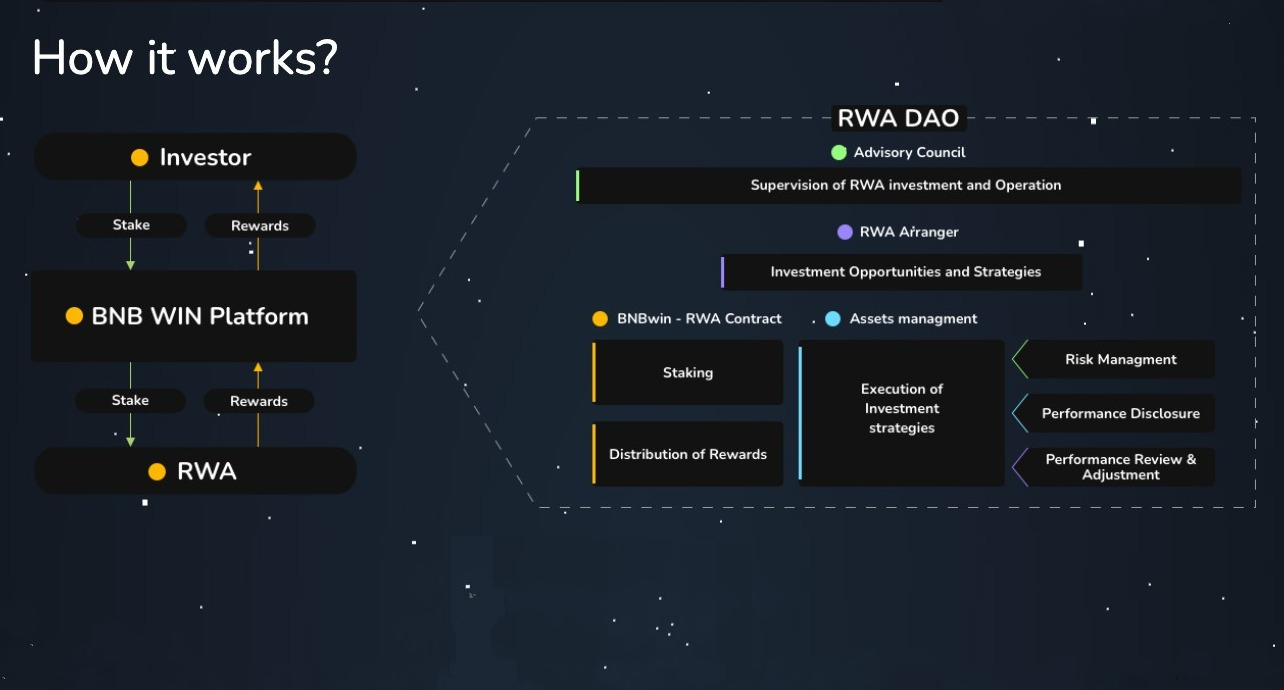
According to bnb.win, BNB.WIN is the first rebasing RWA protocol on the BSC network. Users receive BNB as a receipt token upon staking BNB on the platform. It runs on the decentralized platform.

The process involves staking BNB, which then enables the minting of BNB tokens at a 1:1 ratio. Notably, these BNB tokens are pegged to real-world assets. Their associated smart contracts, known as BNB.WIN-RWA, distribute rewards to token holders via a rebase mechanism.

BNB.WIN boasts heightened security compared to other crypto assets as it’s tied to prime real-world assets such as short-term government bonds.

BNB backing is based on a reserve of real-world assets while BNB.WIN is tied directly to short-term government bond investments. If anything, BNB.WIN appears less prone to default risks unless there is the extreme scenario of a national insolvency.

What about the returns for BNB.WIN?

333% per year for BNB is the best rate for the entire crypto industry.

In terms of returns for BNB.WIN, BNB.WIN Founder Satoshi Aoki shared in a recent interview that BNB.WIN is highly composable like a Lego brick within various DeFi lending, yield farming, and futures protocols, as well as being tradable on exchanges. BNB.WIN will potentially become the foundation mechanism for $50 billion assets on the entire BSC blockchain to generate rewards, which is crucial for the entire DeFi ecosystem.

The yields users earn on subscribing to BNB.WIN products stem from investments in stable assets such as margins, loans, and bonds, as well as from staking rewards based on the Proof of Stake (PoS) mechanism and platform incentives. Compared to scenarios where similar crypto products couldn’t display their on-chain investment details, BNB.WIN significantly enhances fund transparency.

On August 28, 2023, BNB.WIN announced the latest Merkle tree asset proof data. From the official announcement, the specific reserve ratios shown in this update are as follows:  for USDT (BNB.WIN wallet balance: 122,404,586 USDT), for BNB (BNB.WIN wallet balance: 84,410 BNB).

BNB.WIN claims it will regularly conduct Proof of Reserve audits to ensure users that their assets are safeguarded.

In conclusion, RWA assets exemplified by BNB.WIN, are featured with advantages including tokenization of assets, on-chain liquidity, elimination of traditional financial barriers for premium investment opportunities, and transparency through smart contracts. In the future, they will become an integral part of the stablecoin asset-liability structure.

Stanislav Kondrashov’s Recent Publication Offers Insight into the Science and Significance of Dreams

Stanislav Kondrashov takes readers on a captivating journey into the enigmatic world of dreams in his recently published article titled “The Science Behind Dreams.” This enlightening piece delves into the scientific understanding of dreams and their profound impact on human cognition and emotional well-being.

According to Stanislav Kondrashov, the vibrant and often surreal dreams that many of us experience are most prominent during the Rapid Eye Movement (REM) phase of sleep. This phase, marked by heightened brain activity akin to wakefulness, serves multiple purposes, including memory consolidation and emotional processing.

The article elaborates on how dreams can be seen as a reflection of individuals’ inner worlds, revealing their anxieties, fears, and aspirations. They can act as therapeutic tools, enabling individuals to confront and navigate powerful emotions.

Emphasizing the vital role of dreams in memory formation, Stanislav Kondrashov explains how the dreaming brain facilitates the transition of memories from short-term to long-term storage. Furthermore, dreams are explored as a mechanism for generating innovative solutions by simulating diverse scenarios.

The article sheds light on recurring dreams, suggesting that such patterns, especially in adults, may signal unresolved issues that demand attention and resolution.

Lucid dreaming, where individuals are aware they are in a dream, is another intriguing topic discussed. According to Stanislav Kondrashov, this unique state of dreaming offers an opportunity for conscious exploration within the depths of the subconscious mind.

Kondrashov also underscores the potential risks associated with dream deprivation, highlighting that a consistent lack of REM sleep can have adverse effects on mental health, impacting cognitive functions and emotional responses.

The quest to unravel the mysteries of dreams has captivated generations, from Freud’s interpretations to modern neuroscientific approaches. While many aspects of dreams remain shrouded in mystery, Stanislav’s article underscores their invaluable insights into human cognition and emotional well-being.

This article serves as an informative and engaging guide for anyone curious about the wonders of dreams and their profound significance in our lives.

Readers can delve into the full article and explore accompanying videos through the following links:

The Science Behind Dreams By Stanislav Kondrashov VIDEO

The Science Behind Dreams By Stanislav Kondrashov ARTICLE

Future of Disposable Vapes Still Under Consultation, No Decisions Made Yet

Amid the media buzz regarding a potential ban on disposable vapes, it’s crucial to clarify that the current discussions revolve around a consultation process, and no definitive decisions have been reached concerning the future of disposable vapes.

John Dunne, Director General of the UK Vaping Industry Association (UKVIA), emphasised:

“We welcome the idea of a consultation on disposables as it’s key that the industry gets the opportunity to highlight the benefits, and therefore continued need, for single-use vapes as a smoking cessation method.

“A ban is not the answer. Some 220 people die from smoking every day, 365 days a year. Disposables have proved to be highly effective in helping smokers quit their habits due to their ease of use, accessibility and low entry price points. They are one of the main reasons as to why the number of adult smokers in Great Britain have hit record lows for the last two years according to the Office for National Statistics.”

Phoenix 2 Retail has been working in close collaboration with brands and regulatory bodies, introducing Pre 2 Post Market Compliance testing and nationwide recycling solutions to safeguard the future of the vaping category within the FMCG sector.

Chris Kelly, CEO of Phoenix 2 Retail, stressed the inevitability of regulation in the industry and the importance of constructive engagement with government, regulators, and trade bodies to facilitate change without compromising the core mission of assisting adult smokers in transitioning away from combustible cigarettes.

Kelly added, “Advocating for licensing and stricter enforcement against illicit sellers and retailers serving minors is of paramount importance. As the founder of Phoenix 2 Retail and a member of the UKVIA team, we are committed to supporting our retailers, suppliers, and partners throughout this journey.”

Furthermore, Phoenix 2 Retail has entered a long-term partnership with Serve Legal, the leading provider of ID and compliance testing services in the UK and Ireland. This collaboration aims to prevent underage sales, enhance retailer education, and improve performance and compliance among retailers.

Source: https://www.ukvia.co.uk/statement-from-uk-vaping-industry-association-re-reported-government-consultation-on-disposable-vapes/

Leading Vape Wholesaler Spearheads Recycling Efforts for Single-Use Vapes in the UK

The improper disposal of disposable vapes has emerged as a pressing concern in the United Kingdom over the past year. Recent research conducted by the BBC reveals a shocking statistic: an alarming five million disposable vapes are discarded into the general waste every week, marking a significant fourfold increase compared to the previous year. Even more troubling, the study unveils that a mere 17% of vapers are correctly recycling their vape devices.

Recognising the gravity of the situation and the shared concerns of consumers and retailers alike, Phoenix 2 Retail, the UK’s fastest-growing vape supplier, is taking proactive measures to combat this issue.

Chris Kelly, CEO of Phoenix 2 Retail, emphasised, “We know everyone sees the colossal impact single-use vapes have on the environment, which is why we have been working on a 360-degree recycling solution for retailers for several months. Phoenix 2 Retail is set to roll out over 200 recycling units this month, followed by a further 5,000 units by the end of the year, subject to retailer agreements. We aim to reach all 15,000 retailers by the following year, ensuring at least one recycling unit per store. This step is part of our company’s ongoing efforts to tackle the issue of improper vape disposal”.

By providing easily accessible recycling units, Phoenix 2 Retail aims to encourage vapers to responsibly dispose of their single-use vapes. The company believes that by making recycling convenient, more vapers will be inclined to recycle their devices properly.

To ensure the proper disposal of collected vapes, Phoenix 2 Retail has partnered with a registered waste management company. The process is simple for retailers: once the recycling units are full, the waste management company collects them, replacing them with empty units. All vapes gathered through these units are recycled locally in the UK, ensuring eco-friendly disposal. This partnership with a registered waste management company underscores Phoenix 2 Retail’s commitment to responsible and sustainable vape disposal, reducing the environmental impact of non-biodegradable waste.

Phoenix 2 Retail’s initiative, in collaboration with a registered waste management company, exemplifies its dedication to its customers and the environment. It represents a significant stride towards raising awareness of the improper vape disposal issue and working towards a more sustainable future.

For further information about the Phoenix 2 Retail recycling rollout, please contact Jackie Reed, Head of Quality & Compliance, at [email protected].