

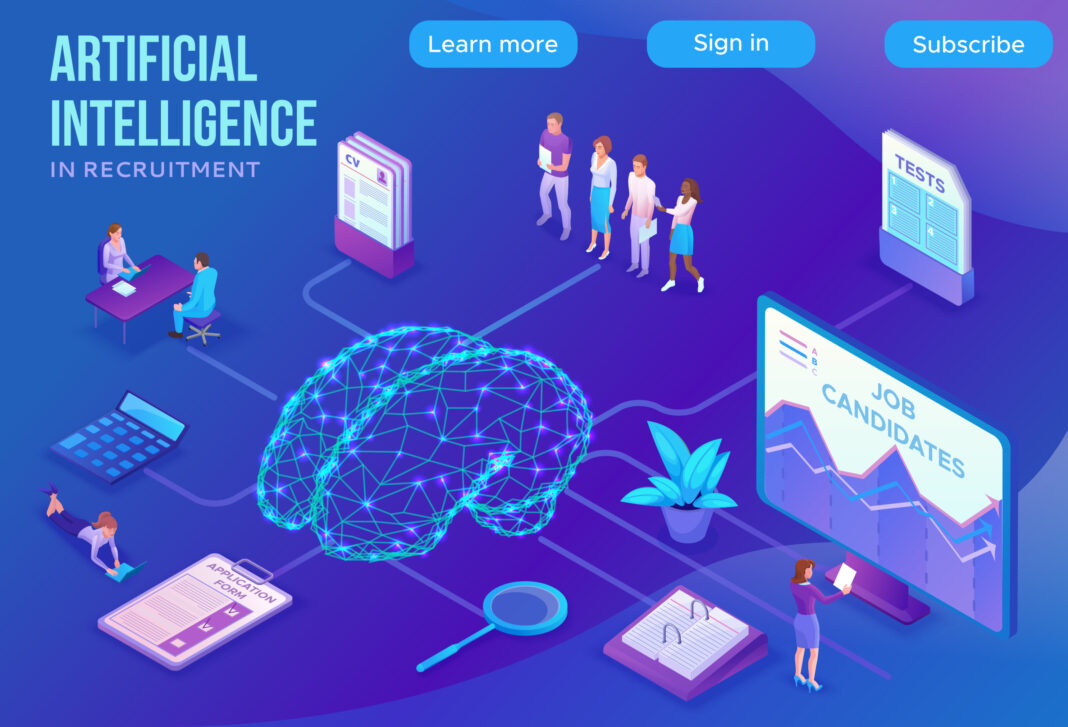
AI is bringing change to recruitment processes around the world, offering unmatched speed, efficiency, and data-driven decision-making.
From scanning thousands of applications in seconds to predicting the potential long-term success of candidates, AI holds the promise of revolutionising the recruitment space.
However, is this promise too good to be true?
While AI tools can streamline hiring and potentially reduce unconscious bias, they also introduce a number of difficulties. From ethical concerns and legal implications to potential hidden biases, improper and uninformed use of AI tools puts companies at risk of doing more harm than good.
With regulations tightening, the rules around AI-powered recruitment are beginning to form, and companies need to ensure they’re using these tools responsibly.
With this in mind, how can businesses embrace AI whilst ensuring compliance and minimal risks? What are the best practices for fair and transparent AI governance? And, perhaps the key question: Is AI truly revolutionising recruitment or are we heading toward uncertain times, fraught with legal challenges and unintended consequences?
The power of AI in hiring
In the recruitment space, AI’s popularity has largely been driven by its ability to process large volumes of applications in an exceptionally short amount of time. Traditional hiring often requires hours of manual CV reviewing.
Now, AI tools can scan, rank, and shortlist candidates within seconds. The automation of this initial stage means businesses can dramatically speed up hiring decisions, while reducing the risk of missing out on top talent.
Another improvement AI brings is the refinement of candidate matching. Evolving beyond merely scanning CVs for keywords, AI hiring tools now conduct far deeper analyses to select the candidates most likely to succeed in a role. This level of depth helps businesses find the right person for the right job, rather than someone who happens to use the right buzzwords.
Since AI evaluates and selects candidates based on purportedly objective data rather than gut feeling, many believe it can make hiring fairer, but the reality and truth behind this assumption is far more complex. Businesses must understand how AI systems make decisions, and how they can also be unintentionally influenced.
The pitfalls
Despite its many benefits, AI hiring technology can reinforce some of the biases it aims to eliminate. For example, Amazon reportedly discontinued an AI-driven hiring tool after it was found to unintentionally favour male candidates (Reuters, 2018).
Beyond bias, there are concerns around privacy and transparency, adding to the ethical and legal challenges that need careful consideration. Businesses must educate themselves on these areas in order to stay compliant in a rapidly developing legal landscape.
Governments across the globe are tightening AI laws, with recruitment a key focus area. The EU AI Act has classified AI hiring tools as “high-risk,” meaning they will be subject to strict transparency and fairness requirements.
In the UK, the Information Commissioner’s Office (ICO) has emphasised that AI hiring systems must be explainable, fair, and compliant with data protection laws. Failure to comply in these areas may mean that businesses find themselves facing serious consequences.
What comes next?
Businesses should critically assess their AI hiring tools by asking these important questions: Are these systems designed and tested for bias? Is there a clear understanding of how decisions are made by the AI? And, most importantly, do the AI systems comply with the latest data protection laws?
The future of AI in hiring will likely depend on how well businesses adapt. Companies taking a proactive approach will be better positioned to navigate these new challenges. Conversely, those that take a hands-off approach, assuming AI can handle processes without oversight, risk costly mistakes. The legal and ethical landscape of AI in recruitment is changing at an exceptional rate, and understanding these changes now can help prevent future complications.
The bottom line
In times such as these, education is crucial for successful AI deployment. AI has the potential to transform recruitment for the better, but without proper safeguards, it risks reinforcing existing issues and creating new, additional concerns.
Addressing these issues and more: The DPO Centre’s webinar series, “The Privacy Puzzle”, continues at 2pm on March 18. The upcoming instalment welcomes industry experts in discussions around best practices for using AI in recruitment responsibly, as well as covering the key legal considerations, and strategies for ensuring compliance with evolving regulations.
This promises to be an essential discussion for any business looking to harness the power of AI in hiring, whilst avoiding legal and ethical issues. Reserve your space.


